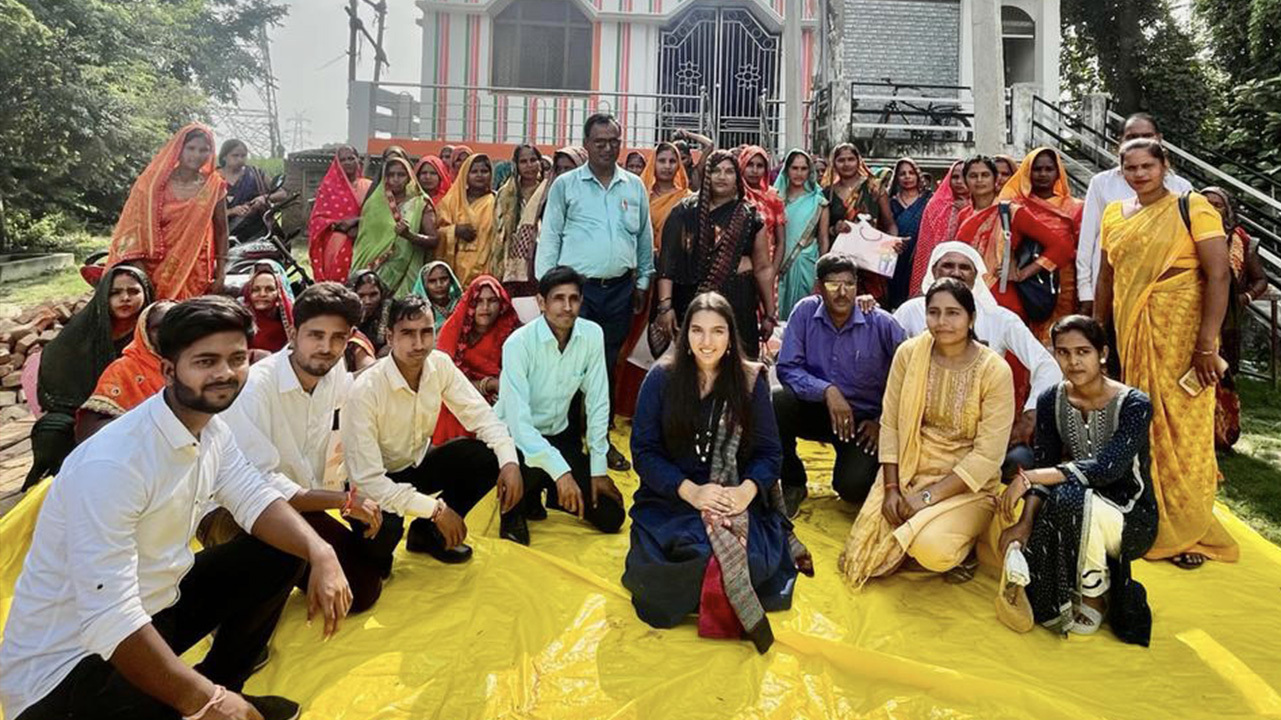
Mushroomology is a social enterprise working in the hinterlands of Uttar Pradesh. We train women from marginalised rural communities in sustainable mushroom cultivation — giving them the skills, tools, and market access to build independent livelihoods from the ground up.
We are more than a training programme. We believe that when you invest in a woman’s ability to earn, you invest in an entire community. Our work reaches across Kadipur, Sultanpur, Ambedkar Nagar, and Dostpur — districts where economic opportunity for women has historically been scarce.
Every woman who joins our programme receives free training, free growing kits, and a guaranteed market for everything she produces. No upfront cost. No financial risk. Just the chance to change her life.
Every programme, every decision, every partnership is evaluated on how it serves the women we work with.
Mushroom cultivation is low-input, low-waste, and well-suited to small-scale home growing. It's an agricultural choice that respects the environment and the grower.
Our buyback model eliminates middlemen. Women know their price before they plant. That's not charity — it's a fair market.
The best performers become Champions — peer mentors who carry the programme into new villages. Our reach grows through the women themselves.
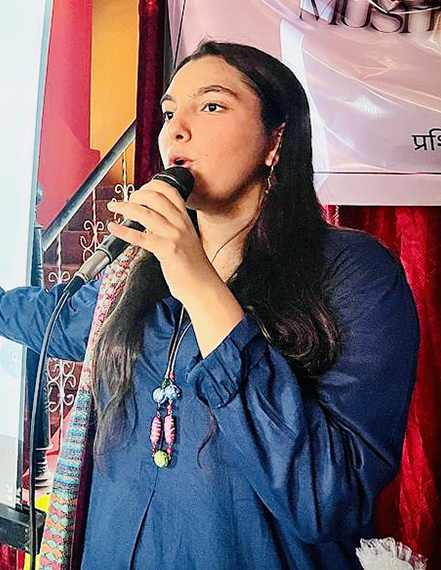
Founder, Mushroomology
Mushroomology was born from a simple but radical question: what if the most powerful tool for rural women’s economic independence wasn’t a loan scheme or a government programme — but a mushroom?
Working in the villages of Uttar Pradesh, Samaaya witnessed first-hand the economic precarity that shapes the lives of rural women. Agriculture dominated the region, but women rarely owned or controlled any part of the value chain. They worked. Others profited.
Mushroom cultivation offered a different model. Low initial investment. Fast yield cycles. Suitable for home growing. No land ownership required. And nutritionally and economically significant in both rural and urban markets.
The idea was to train women not just to grow mushrooms, but to understand the economics of what they were doing — to become entrepreneurs, not labourers. To remove every barrier: cost of kits, access to markets, fear of failure. To guarantee their income from day one.
Today, Mushroomology works with over 400 women across four districts in Uttar Pradesh. The best of them have been promoted to Champions — peer leaders who now train others, extending the programme’s reach through the community itself. The mission is no longer just Samaaya’s. It belongs to all of them.
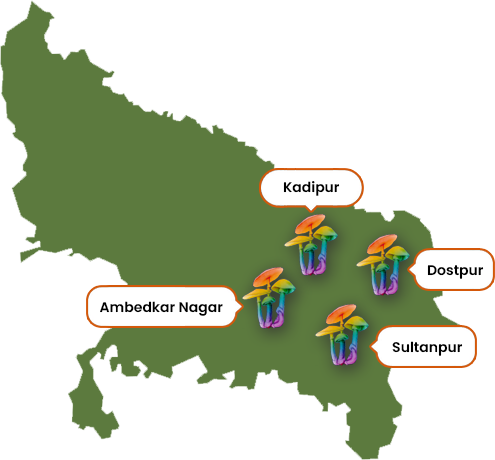
Our work is concentrated in the hinterlands of eastern Uttar Pradesh — a region where agricultural livelihoods are common but economic independence for women remains rare. These are communities where women work hard and yet rarely control the income they generate.
We deliberately chose to work in these districts because the need is real, the community structures are strong, and mushroom cultivation is viable year-round in this climate. Our on-ground team lives and works in the communities they serve — this is not a programme delivered from a city office.
Our footprint is growing. As women complete training and advance to Champion status, they carry the programme into neighbouring villages — extending our reach without requiring us to scale our central operations proportionally.
Women trained
Champions selected
Yield buyback
We are dedicated to uplifting rural communities, empowering women, and promoting sustainable practices. We connect rural partners with urban markets, foster a sense of community, and create sustainable livelihoods through mushroom cultivation and entrepreneurship training.
We look beyond mushroom cultivation, aiming for a future where sustainable practices empower communities and bridge the rural divide. Mushroomology acts as a catalyst for social, economic, and environmental change — one where rural women are not just contributors to their communities, but leaders of them.
Whether you’re a grant body, an NGO partner, or a CSR team looking for credible rural impact programmes to back — we’d love to talk. Or simply follow the journey and stay close to the work.